
Birds of Guanacaste: A Complete Guide to Birdwatching in Costa Rica’s Pacific Paradise
-
 by Juan Carlos Rodriguez
- March 5, 2026
- Birds of Guanacaste
- 0

Why Are the Birds of Guanacaste So Special?
What Makes Guanacaste a Birdwatching Paradise?
Why do travelers from around the world come specifically to see the Birds of Guanacaste? The answer lies in biodiversity, geography, and climate stability.
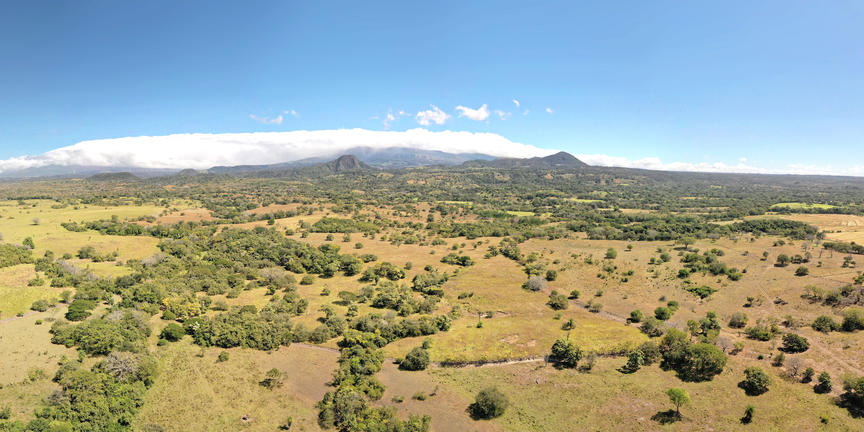
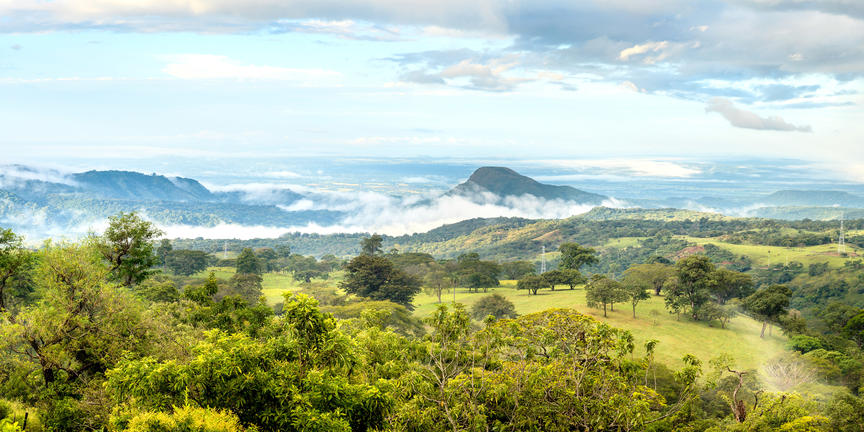
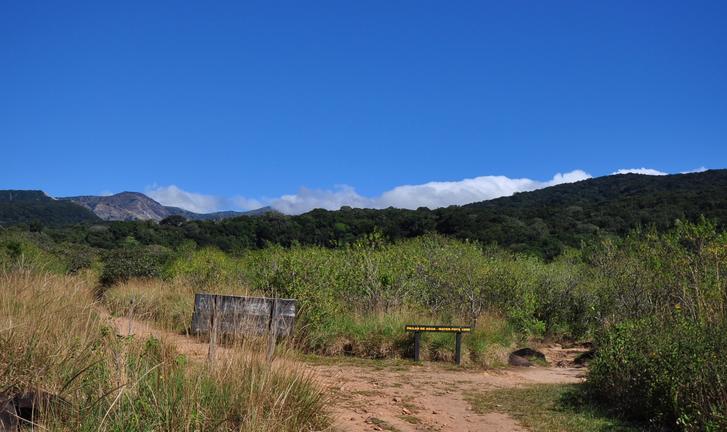
Guanacaste, located along the northwestern Pacific coast, is one of the most unique ecological regions within the different Costa Rica climate zones. Its tropical dry forest, wetlands, mangroves, and coastal ecosystems create ideal conditions for bird diversity.
Is it really that diverse? Yes. The Birds of Guanacaste include more than 600 species throughout the year, including resident tropical birds and migratory species from North America. The consistent Weather in Costa Rica, especially along the Pacific coast, allows birds to thrive year-round.
From scarlet Guaco flying over dry forests to pelicans gliding over the Pacific coast weather Costa Rica is famous for, birdwatching here becomes a dynamic experience shaped by nature’s rhythm.
How Do Seasons Affect the Birds of Guanacaste?
Does the Dry Season or Rainy Season Make a Difference?
How much do seasonal shifts influence the Birds of Guanacaste? Significantly.
Costa Rica has two primary seasons:
- Dry season Costa Rica (December to April)
- Rainy season Costa Rica (May to November)
During the Dry season Costa Rica, trees lose their leaves in the tropical dry forest. What does this mean for birdwatchers? Better visibility. Birds concentrate around rivers and water sources, making sightings more frequent.
During the Rainy season Costa Rica, the region transforms into a lush green landscape. Is this a disadvantage? Not necessarily. This season attracts migratory birds and marks peak nesting activity. The diversity of the Birds of Guanacaste increases dramatically.
So what is the Best time to visit Costa Rica for birdwatching?
If you want clearer visibility, choose the dry months.
If you want maximum species diversity, consider the rainy season.
Because the Guanacaste climate is generally sunny and stable, birdwatching remains possible throughout the year.
Iconic Birds of Guanacaste You Must See
Which Species Define This Region?
When discussing the Birds of Guanacaste, certain species stand out as regional icons.
Scarlet Guaco – Frequently seen flying in pairs over coastal forests.
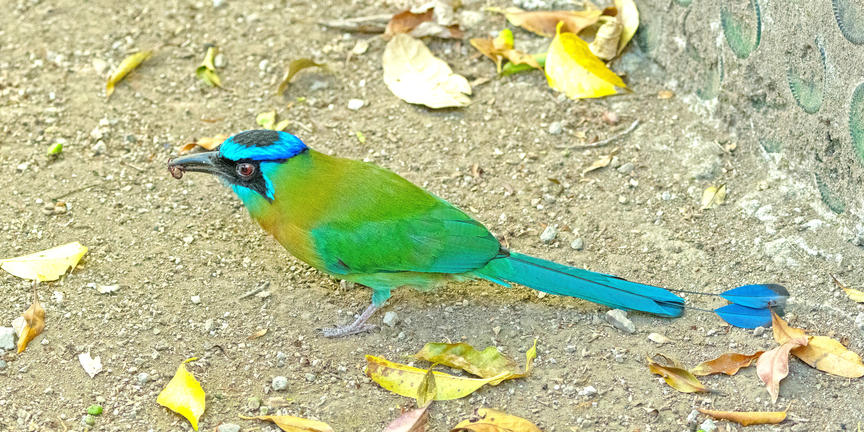
Turquoise-browed Motmot – A symbol of the tropical dry ecosystem.
White-throated Magpie-Jay – Social and intelligent, commonly spotted in open forests.
Roseate Spoonbill – Found in wetlands and estuaries.
Brown Pelican – A defining presence along the Pacific coast.
Why are these birds easier to observe here compared to other Costa Rica climate zones? Because the Guanacaste climate creates open-canopy forests during the Dry season Costa Rica, increasing visibility.
The combination of Pacific coast weather Costa Rica travelers love and diverse habitats makes this region uniquely accessible for birdwatching.
Where Are the Best Birdwatching Locations in Guanacaste?
Coastal Ecosystems vs Inland Forests
Is birdwatching better inland or along the coast? The answer depends on what you are hoping to see.
Along the coastline, Pacific coast weather Costa Rica conditions create ideal habitats for seabirds such as pelicans and frigatebirds. Estuaries and mangroves attract wading birds and spoonbills.
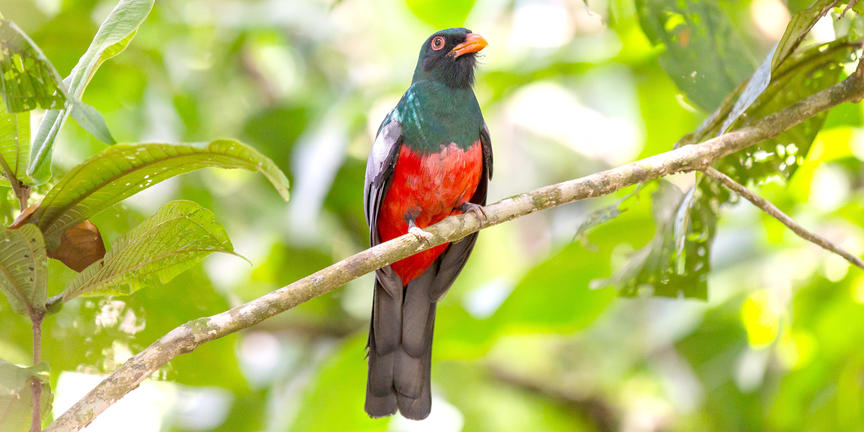
Inland dry forests offer sightings of parrots, hawks, trogons, and owls. Seasonal rivers become gathering points during the Dry season Costa Rica.
Because the Weather in Costa Rica remains relatively stable, especially in Guanacaste, both coastal and inland ecosystems provide consistent bird activity year-round.
How the Guanacaste Climate Shapes Bird Diversity
What Makes This Climate Unique?
The Guanacaste climate is classified as tropical dry forest one of the rarest ecosystems in the world.
What makes it so favorable for the Birds of Guanacaste?
- Long dry season
- High sunshine levels
- Coastal breezes
- Seasonal water concentration
Compared to other Costa Rica climate zones, Guanacaste experiences less annual rainfall. This creates predictable patterns in feeding, migration, and nesting.
Because Pacific coast weather Costa Rica is warm and stable, birdwatchers can plan trips with confidence.
And this same climate is what makes the region so attractive for Luxury villas in Costa Rica.
Where to Stay While Exploring the Birds of Guanacaste
Can You Combine Luxury and Nature?
Is it possible to experience the Birds of Guanacaste while staying in a Pacific coast luxury villa? Absolutely.
Many Luxury villas in Costa Rica are strategically located near wildlife corridors and coastal habitats.
For example:
If you are searching for Ocean view villas Costa Rica that provide elevated vantage points, Maravilla offers stunning panoramic terraces ideal for spotting Guaco in flight:
https://costaricastarvillas.com/listing/maravilla/
Looking for a Private villa with ocean views near coastal bird habitats? Casa Camaleon provides direct proximity to prime ecosystems shaped by Pacific coast weather Costa Rica:
https://costaricastarvillas.com/listing/casa-camaleon/
A Luxury villa in Guanacaste such as Villa Hermosa offers privacy while remaining close to rich biodiversity zones:
https://costaricastarvillas.com/listing/villa-hermosa/
Choosing a Costa Rica vacation rental or a Costa Rica beachfront villa allows you to wake up to bird songs and enjoy uninterrupted West coast sunset Costa Rica views after a full day of birdwatching.
Seasonal Comparison for Birdwatching in Guanacaste
| Season | Bird Activity | Visibility | Ideal For |
| Dry season Costa Rica | High concentration near water | Excellent | Photography & clear sightings |
| Rainy season Costa Rica | Migratory peak & nesting | Moderate | Maximum species diversity |
| Early Dry Transition | Increased feeding activity | Very good | Active behavior observation |
| Late Rainy Season | Migratory arrivals | Moderate | Bird diversity |
| Year-Round Coastal Areas | Consistent seabirds | Excellent | Pelicans & ocean species |
Why Birdwatchers Choose Luxury Villas in Costa Rica
Is Accommodation Location Important?
Does where you stay affect your birdwatching experience? Without a doubt.
A Pacific coast luxury villa provides:
- Early morning access to natural habitats
- Quiet environments with minimal disturbance
- Elevated terraces for spotting Birds of Guanacaste
- Easy access to beaches and estuaries
The same Guanacaste climate that benefits birdlife also creates perfect conditions for outdoor living. Staying in Ocean view villas Costa Rica enhances both comfort and wildlife immersion.
When planning the Best time to visit Costa Rica, consider both bird migration patterns and seasonal availability of your ideal Costa Rica vacation rental.
Conclusion: Birds of Guanacaste and the Ultimate Nature Experience
The Birds of Guanacaste represent one of the most accessible and rewarding wildlife experiences in Central America.
Shaped by the unique Guanacaste climate, influenced by both Dry season Costa Rica and Rainy season Costa Rica cycles, and supported by stable Weather in Costa Rica, this region offers year-round opportunities for unforgettable birdwatching.
Whether you explore inland forests or coastal wetlands influenced by Pacific coast weather Costa Rica, each habitat reveals new species and behaviors.
Pairing this experience with a Costa Rica beachfront villa, a Private villa with ocean views, or a Luxury villa in Guanacaste transforms a simple trip into a refined nature immersion.
Birdwatching here is not just about spotting species. It is about experiencing biodiversity from the terrace of a Pacific coast luxury villa while watching a West coast sunset Costa Rica paints across the horizon.